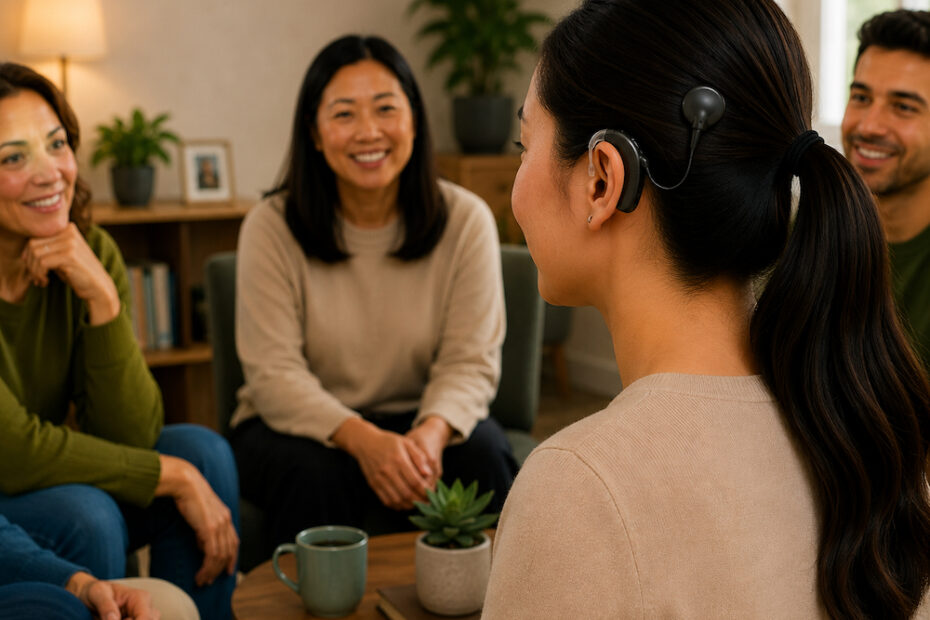
Emotional adjustment is a big part of the cochlear implant journey, and having the right support network in Singapore can make that journey more manageable for users and families.
Emotional adjustment for users and families
A cochlear implant offers new access to sound, but it also brings mixed feelings—relief, hope, anxiety, and sometimes grief for the “normal hearing” that still is not fully restored. Users may feel overwhelmed by strange new sounds at first, or discouraged if progress feels slower than they expected. Parents often juggle practical decisions, therapy schedules, and worries about their child’s future communication and schooling, all while trying to stay positive.
It helps to normalise these reactions: frustration, fatigue, or occasional “buyer’s remorse” are common, especially in the early months. Many people report that talking with others who have been through the process reduces isolation and helps them see their experiences as part of a shared journey rather than a personal failure.
Managing expectations and communication within the family
Clear, realistic expectations can prevent disappointment and family conflict. Clinicians in Singapore emphasise that outcomes vary, progress takes months to years, and implants improve access to sound rather than instantly restoring natural hearing. Families are encouraged to focus on step‑by‑step goals—like recognising environmental sounds, responding to their name, or following simple sentences—rather than only on perfect speech understanding in all situations.
Regular conversations within the family about what is going well and what is still hard can reduce misunderstanding. For example, a child who is exhausted after a noisy school day may need quiet time rather than more listening tasks, and an adult user may need their partner to speak clearly and face them rather than assuming the implant has solved everything. Being open about these needs is a form of emotional self‑care, not complaining.
Local community and peer support in Singapore
Singapore has an active cochlear implant community that offers both practical tips and emotional encouragement. The Bionic Cochlear Club is an online community designed to bring together implant users, candidates, family members, and professionals in Singapore. Members share real‑life stories, discuss everyday challenges like device care and school integration, and promote webinars or meet‑ups that help people feel less alone.
Many users also benefit from structured programmes around major implant centres. For example, the “Listen and Talk” programme at Singapore General Hospital combines auditory‑verbal therapy with parent guidance, support groups, and social work input, recognising that emotional adjustment is as important as technical mapping of the device. Online resources from manufacturers and local clinics—such as regular webinars and newsletters—add another layer of community and education for users at different stages.
Peer mentors and lived experience
Talking to someone who already uses a cochlear implant can be especially powerful. Peer mentors provide an honest picture of day‑to‑day life with an implant, from the early “robotic” sound quality to long‑term coping strategies at work, school, or social events. They can validate emotional ups and downs, share what helped them through setbacks, and model realistic but hopeful expectations.
In Singapore, dedicated “link to mentor” services connect new or potential users with experienced recipients and parents who volunteer to share their journey. These one‑to‑one conversations complement medical advice by answering questions like “How did you handle other people’s reactions?” or “What kept you motivated during therapy?” Mentors are not counsellors, but they often become trusted companions along the way.
Professional counselling and when to seek extra help
Sometimes the emotional load goes beyond what family and peer support can manage. Signs that extra help might be useful include persistent sadness, anxiety about using the device, conflict around wearing time, or parents feeling burnt out by appointments and advocacy. In these situations, it can be helpful to talk with a psychologist, counsellor, or medical social worker familiar with hearing loss and disability.
Major centres in Singapore often include medical social services and counselling as part of their implant care, and some community‑based hearing clinics work closely with mental‑health professionals when needed. Early support can prevent more serious emotional difficulties and help the whole family stay engaged with rehabilitation and communication goals.
If you or your family are looking for support beyond clinic visits, you can:
- Join the Bionic Cochlear Club community to connect with others, access educational resources, and stay updated on events: https://www.cochlearimplant.sg/bionic-cochlear-club/.
- Request a one‑to‑one connection with an experienced cochlear implant user or parent mentor here: https://www.cochlearimplant.sg/link-to-mentor/.